Best Compression Sacks for Backpacking: A Technical Guide to Load Management
The systematic reduction of pack volume represents one of the most critical logistical challenges in wilderness travel. While early twentieth-century expeditions relied upon oversized canvas rucksacks and external frame structures that distributed load through sheer surface area, modern ultralight philosophy demands a more refined approach to space management. The ability to condense soft goods, specifically sleeping bags, down insulation, and auxiliary apparel, is not merely a matter of convenience; it is a fundamental requirement for maintaining a low center of gravity and ensuring that gear remains protected from the external environment.
Inquiry into the best compression sacks for backpacking requires an analytical look at the tension between material strength and weight penalties. An ideal system must manage significant internal pressure without compromising the integrity of the contents or the enclosure itself. As synthetic fabrics have evolved from heavy, rubberized nylon to high-tenacity, siliconized filaments, the engineering of these sacks has shifted from basic geometric containment to complex load-bearing systems. Achieving proficiency in this area necessitates a deep understanding of textile physics, mechanical fasteners, and the long-term impact of repeated compression on loft-dependent materials.
This analysis provides an exhaustive framework for selecting, deploying, and managing compression systems. It moves beyond the surface-level recommendations of consumer retail to explore the structural variables that define high-performance gear. By establishing rigorous criteria for durability, weather resistance, and ease of operation, this reference serves as a definitive resource for those who view pack organization as a primary component of wilderness safety and operational efficiency.
Understanding “best compression sacks for backpacking.”

The search for the best compression sacks for backpacking is frequently mired in a fundamental misunderstanding of what these tools are designed to achieve. Many users view compression as a means of cramming as much material as possible into the smallest possible space, disregarding the physiological and structural limits of high-quality insulation. In reality, a sophisticated compression system is a regulatory mechanism intended to consolidate volume while protecting the structural loft of the contents.
Over-compression is a common error. When a sleeping bag or down jacket is subjected to extreme, sustained pressure, the microscopic structure of the insulation can suffer permanent degradation, leading to a loss of heat-trapping efficiency over time. Furthermore, over-simplification risks equating all fabrics with identical performance metrics. A sack constructed of thin, uncoated ripstop may excel in weight-conscious scenarios but will fail to provide the necessary moisture barrier required in high-humidity or alpine environments. Truly understanding the selection process involves evaluating how each sack manages the three-way trade-off between weight, durability, and waterproofing.
Deep Contextual Background: The Evolution of Volume Management
The history of volume management in backpacking is a progression from bulky external storage to integrated, high-pressure internal containment. The early adoption of compression straps, often borrowed from the military surplus gear of the mid-century, provided a rudimentary method for reducing the profile of sleeping bags, but these systems were heavy and relied on basic webbing that could easily fray.
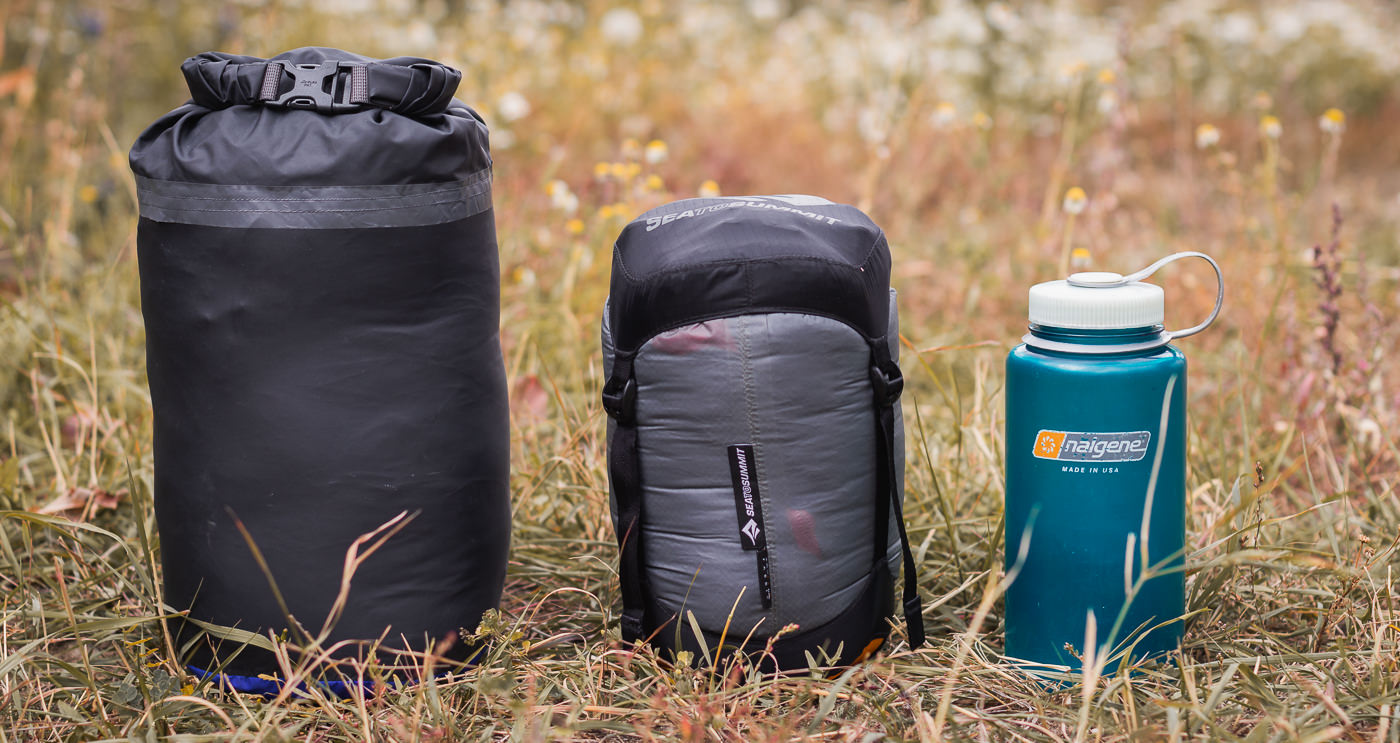
The pivot toward specialized, purpose-built sacks occurred alongside the rise of the “ultralight” movement in the 1990s and early 2000s. Engineers began to leverage lightweight, coated fabrics to create sacks that were not only compressible but also highly resistant to the elements. This era established the two primary schools of design: the traditional strap-based compression system, which offers massive force, and the roll-top dry bag style, which offers better moisture protection but less aggressive volume reduction. Understanding these historical roots allows the modern backpacker to identify which design philosophy serves their specific mission profile, whether it be a multi-week trek through temperate forests or a high-altitude expedition.
Conceptual Frameworks and Mental Models
To manage the variables of volume reduction, one should utilize specific frameworks that simplify the decision-making process.
The Loft-Security Duality
This model demands that the user weigh the necessity of extreme compression against the preservation of the material. It forces a decision point: is the goal to minimize volume to the absolute limit, or is the goal to maintain the “health” and thermal performance of the insulation? The limitation of this model is that it assumes the user knows the recommended maximum compression ratio for their specific insulation type.
The Environmental Barrier Hierarchy
This framework prioritizes the sack’s capability as a barrier. Tier 1 systems utilize moisture-resistant DWR-coated fabrics for arid environments, while Tier 3 systems employ submersible, seam-taped materials for high-exposure environments. This model forces the user to categorize their environment before evaluating the compression mechanism itself.
The Kinetic Load Model
This evaluates the physical attachment points of a compression system. A sack that relies on a single webbing strap to pull a load closed will distribute tension unevenly, creating localized points of wear. A sack with a multi-strap system or an integrated cap design distributes tension across the entire surface area, extending the life of both the sack and the contents.
Key Categories and Hardware Variations
The market offers a range of designs, and discerning the best compression sacks for backpacking requires looking at the specific geometry and material science applied to each.
| Category | Typical Mechanism | Structural Strength | Best Used For |
| Strap-Based | Four-point webbing | Extremely high | Sleeping bags, high-bulk down |
| Roll-Top Compression | Air-release valve + roll | Moderate | Apparel, modular systems |
| Hybrid/Dry-Bag | Roll-top + strap combo | High (moisture-focused) | Multi-day alpine, wet climates |
| Ultralight Mesh/Silnylon | Drawstring | Minimal | Lightweight organizers |
Realistic Decision Logic
When choosing a system, follow this hierarchy:
-
Moisture Exposure: Does the activity occur in a wet climate? If yes, a roll-top/dry-bag is mandatory.
-
Insulation Type: Is it natural down or synthetic? Natural down demands more gentle compression; synthetic can handle more aggressive force but requires more volume.
-
Bag Volume: Does the sack have excessive dead space? A sack that is too large for its contents will never achieve a true compression state, as the fabric will simply bunch rather than pull tight.
Detailed Real-World Scenarios and Operational Constraints
Scenario 1: The Long-Distance Thru-Hike
The hiker traverses several ecosystems, ranging from high desert to temperate rainforest. The primary constraint is weight-to-performance. A roll-top compression sack that is waterproof is the only logical choice, as it eliminates the need for separate pack liners or additional protection. Failure to prioritize waterproofing leads to the rapid loss of thermal efficiency in the sleeping bag after the first severe storm.
Scenario 2: The Alpine Expedition
Weight is critical, but so is structural load management. The user employs a strap-based system to maximize volume reduction, allowing for a smaller, more nimble pack. The decision point here is the material—silnylon is preferred to shave grams, even if it sacrifices a degree of extreme abrasion resistance.
Scenario 3: The Multi-Day Climbing Approach
Equipment must be kept secure on a rack or inside a technical pack. A sack with external lashing points allows the load to be moved outside the pack if necessary. The failure mode here is the potential for external damage to the webbing; therefore, a reinforcement system at the attachment points is essential.
Planning, Cost, and Resource Dynamics
Effective volume management is not a one-time purchase but a planned strategy. The cost of failing to manage load volume manifests as increased physical fatigue, higher energy expenditure, and a compromised ability to traverse technical terrain.
Comparative Resource Dynamics
| Feature | Low-Cost (Budget) | Mid-Range (Standard) | High-Performance (Pro) |
| Fabric | Polyurethane coated | Siliconized Ripstop | Dyneema/Composite |
| Seams | Standard stitch | Taped/Sealed | Welded/Bonded |
| Hardware | Standard plastic | Reinforced/YKK | Titanium/Custom Alloy |
| Durability | Low/Moderate | High | Extreme |
Tools, Strategies, and Support Systems
The best compression sacks for backpacking should be supplemented with:
-
Air-Release Valves: Essential for roll-top designs to expel trapped volume without requiring excessive physical pressure.
-
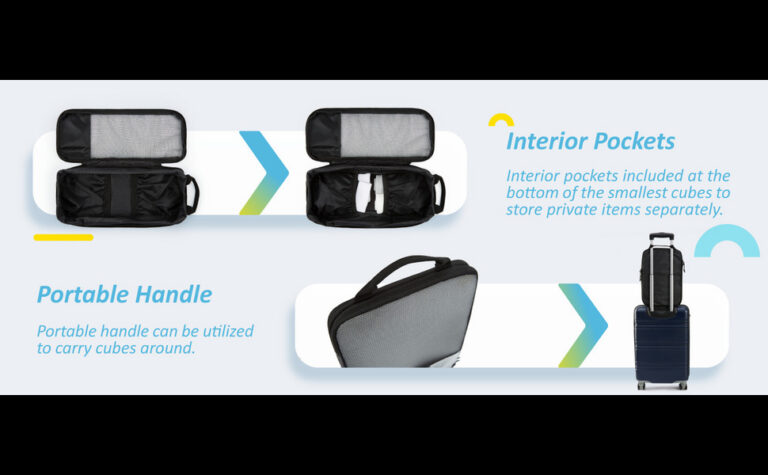
Packing Cells: Smaller, secondary organizers that allow for the compartmentalization of gear within the compressed sack.
-
Maintenance Lubricants: Keeping zippers (if used) clean and functional is a trivial task that prevents massive failure in the field.
-
Dry-Bag Liners: A secondary layer of protection is often smarter than relying on a single compression sack to do the job of both volume management and waterproofing.
Risk Landscape and Compounding Failure Modes
The failure of a compression sack often begins with the webbing. When webbing is overtightened, it places extreme shear force on the stitching that connects the strap to the fabric. If that stitch fails, the strap rips, potentially damaging the sack and leaving the user with a useless, open volume of gear. Compounding this is the “unraveling” effect: if one strap fails, the tension is transferred to the remaining straps, which may then fail in rapid succession. This highlights the need for frequent visual inspection of high-tension contact points.
Governance, Maintenance, and Long-Term Adaptation
Treating your equipment with a systematic approach ensures long-term viability.
-
Review Cycles: Every three months of heavy use, check for “pinhole” leaks in coatings and degradation in the webbing.
-
Sanitization: Periodically wash compression systems to remove grit and accumulated salt from perspiration, which can abrade fabrics over time.
-
Adjustment Triggers: If a sack is consistently difficult to close, evaluate whether the gear inside is too large or if the sack itself has lost its structural efficiency due to repeated tension cycles.
Measurement, Tracking, and Evaluation
A serious backpacker monitors the efficiency of their load-out.
-
Leading Indicators: Time required to pack/unpack, total weight of empty compression system, and measured volume reduction ratio.
-
Lagging Indicators: Frequency of hardware failure, evidence of moisture penetration, and reported satisfaction with pack balance during movement.
Common Misconceptions and Oversimplifications
-
“Dyneema is indestructible.” While structurally rigid, it is susceptible to sharp punctures that are difficult to repair in the field.
-
“Webbing can never be overtightened.” Over-tightening leads to fabric tearing and long-term degradation of the insulation loft.
-
“All roll-tops are dry bags.” Roll-top design is only as effective as the number of folds; if you don’t fold it at least three times, it is not waterproof.
-
“Compression sacks replace pack covers.” A compression sack should protect the contents; a pack liner should protect the entire contents of the pack. Use both.
Ethical, Practical, and Contextual Considerations
The industry’s reliance on high-tech synthetics creates an ethical burden regarding e-waste and microplastic shedding. Choosing the best compression sacks for backpacking involves supporting manufacturers who offer repair services or utilize recycled materials where possible. Furthermore, practitioners should prioritize the “Leave No Trace” principle, ensuring that hardware—especially small buckles and strap tips—does not detach and become litter in the backcountry.
Strategic Synthesis
Mastering volume reduction is a fundamental pillar of professional backpacking. By treating the compression system as a high-load, precision component, the user shifts from a reactive approach to a proactive, integrated strategy. The objective is never simply to shrink volume; it is to create a controlled, stable, and protected load that empowers the traveler rather than burdening them. The search for the optimal solution concludes with the understanding that the most reliable systems are those that prioritize material science, structural redundancy, and ease of use in high-stress, backcountry conditions.