Compare Hiking Backpack Options: A Technical Guide to Load-Bearing Systems
The modern hiking backpack is far more than a mere vessel for gear; it is a sophisticated load-bearing instrument designed to mediate the interaction between the human frame and the unpredictable geometry of the wilderness. As the primary point of contact between a hiker and their self-sufficiency, the pack functions as a dynamic system. It must stabilize a fluctuating center of mass, manage thermal output at the lumbar interface, and withstand the abrasive forces of technical terrain, all while maintaining a weight-to-durability ratio that does not itself become a metabolic burden.
The evolution of these systems has moved beyond the rudimentary canvas bags of the mid-twentieth century, characterized now by advanced material science, ergonomic precision, and specialized suspension architectures. Today, the challenge for the user is not a lack of options, but rather a surfeit of specialized gear that can appear homogeneous to the untrained eye. Discerning the functional differences between a fast-and-light mountain pack and a heavy-duty expedition frame requires an understanding of structural physics, load-transfer principles, and the specific kinetic requirements of one’s intended activity.
Achieving success in gear selection necessitates a departure from the “feature-chase” common in retail environments. Instead, one must approach the acquisition of a pack through a lens of systems engineering. By prioritizing structural integrity, carry-weight optimization, and environmental resilience, the informed hiker selects a tool that enables, rather than impedes, their movement through the landscape. This analysis is designed to provide that framework, moving past marketing terminology to the mechanical realities that dictate long-term performance.
Understanding “compare hiking backpack options.”

The imperative to compare hiking backpack options is frequently misunderstood as a process of listing features, comparing the number of pockets, the presence of ice-axe loops, or the vibrancy of color schemes. These surface-level attributes often obscure the fundamental mechanical differences that define a pack’s performance. A common error is evaluating a pack in isolation from the gear it will hold or the specific biomechanics of the wearer.
When an expert sets out to compare hiking backpack options, the process is governed by the “Systemic Load Architecture.” This model evaluates how the bag’s suspension, in the hip belt, shoulder harness, and internal frame, interacts with the user’s skeletal structure. Oversimplification occurs when users prioritize volume over the frame’s ability to transfer weight. For instance, a 60-liter pack with a rudimentary frame will feel significantly heavier and more punishing than a 40-liter pack with an advanced, tensioned suspension system, regardless of the actual weight of the load. Dissecting these options requires a shift in focus: from what the bag has to how the bag carries.
Deep Contextual Background: The Evolution of Carry Systems
The historical arc of the backpack is a transition from external-frame rigidity to internal-frame fluidity. Early expedition packs relied on rigid, often cumbersome external frames that provided excellent weight transfer but limited mobility and balance on technical trails. The emergence of the internal-frame pack in the late twentieth century revolutionized the market by pulling the load closer to the body’s center of gravity, significantly improving agility.
In the current era, the trend is toward “hybridization.” Modern designs are utilizing space-age materials like Dyneema composites and graphene-infused fabrics to minimize weight while maintaining high tensile strength. Suspension systems have evolved into highly engineered, articulated structures that pivot with the user’s stride, effectively decoupling the movement of the pack from the movement of the spine. Understanding this evolution is crucial, as it explains why certain legacy designs—often perceived as “classic” fail to meet the ergonomic standards of contemporary long-distance hiking.
Conceptual Frameworks and Mental Models
To navigate the market effectively, one should employ the following analytical frameworks:
The Load-Transfer Efficiency Model
This framework categorizes a pack based on its ability to move weight from the shoulders to the hips. A high-efficiency pack will utilize a robust hip belt connected directly to an internal frame sheet. If a pack cannot achieve a meaningful transfer of weight, it fails the primary test of a load-bearing system.
The Kinetic Stability Model
This model assesses how a pack behaves during high-output movement. A stable pack is one where the load is stationary relative to the spine. Features such as sternum straps and load-lifters are not accessories; they are stability control components that eliminate “bouncing” or “swaying” during technical maneuvers.
The Volumetric-Density Ratio
This model suggests that the ideal pack volume is determined by the density of the gear it carries. A hiker using bulky, lightweight down equipment has different volumetric needs than a hiker using dense, technical climbing hardware, even if the total weight is identical. This framework prevents the space” problem, where an oversized pack leads to gear shifting and loss of control.
Key Categories and Hardware Variations
To effectively compare hiking backpack options, one must classify the equipment by its intended mechanical mission.
| Category | Primary Suspension | Load Transfer | Best Use Case |
| Ultralight (UL) | Minimalist/Frameless | Low | High-mileage, low-base-weight |
| Technical Daypack | Contoured Foam | Moderate | Rapid movement, vertical terrain |
| Multi-Day Frame | Internal Stay/Wire | High | Extended backpacking, self-sufficiency |
| Expedition/Load-Haul | Heavy-duty alloy frame | Maximum | Extreme weights, remote autonomy |
Realistic Decision Logic
When evaluating these categories, follow this sequence:
-
Total System Weight: Define your total pack weight (base weight + consumables) for the longest planned duration.
-
Frame Geometry: Ensure the internal frame height corresponds to your torso length (measured from C7 vertebra to iliac crest).
-
Suspension Tension: Does the system feature adjustable load-lifters? Without them, the weight will inevitably settle on the trapezius muscles.
Detailed Real-World Scenarios and Operational Constraints

Scenario 1: The High-Altitude Rapid Ascent
The objective is speed and stability. The constraint is extreme verticality. A rigid, heavy frame is a liability here; the preference is for a close-fitting, streamlined pack with a low center of gravity that allows the user to balance perfectly on narrow, unstable rock.
Scenario 2: The Three-Week Trans-Continental Trek
The user is entirely self-sufficient, carrying 15+ days of food. The constraint is the sheer volume and weight of the load. A high-support, expedition-grade suspension system is mandatory to ensure the weight remains on the pelvic girdle. Failure to maintain this support will result in rapid shoulder fatigue and potential nerve impingement.
Scenario 3: The Variable-Weather Weekend Hike
The hiker carries gear for both summer sun and potential winter storms. The constraint is the need for quick access to layers without unloading the pack. A pack with external “shove-it” pockets or large side access becomes the primary requirement, trading minor weight for critical efficiency.
Planning, Cost, and Resource Dynamics
The investment in a pack is an investment in your physical capacity to reach your destination. While budget-conscious consumers may be tempted by lower-cost options, the cost of an improperly fitted or poorly designed pack is often paid in chronic back pain or gear failure in the field.
Comparative Resource Dynamics
| Feature | Low-Cost (Budget) | Mid-Range (Standard) | High-Performance (Pro) |
| Durability | 1–2 years | 3–5 years | 6–10 years |
| Suspension | Rigid/Unadjustable | Semi-adjustable | Fully articulated/Modular |
| Weight | Moderate-High | Low | Ultra-Low |
| Resilience | Water-resistant only | Highly weather-proof | Submersible/Durable |
Tools, Strategies, and Support Systems
-
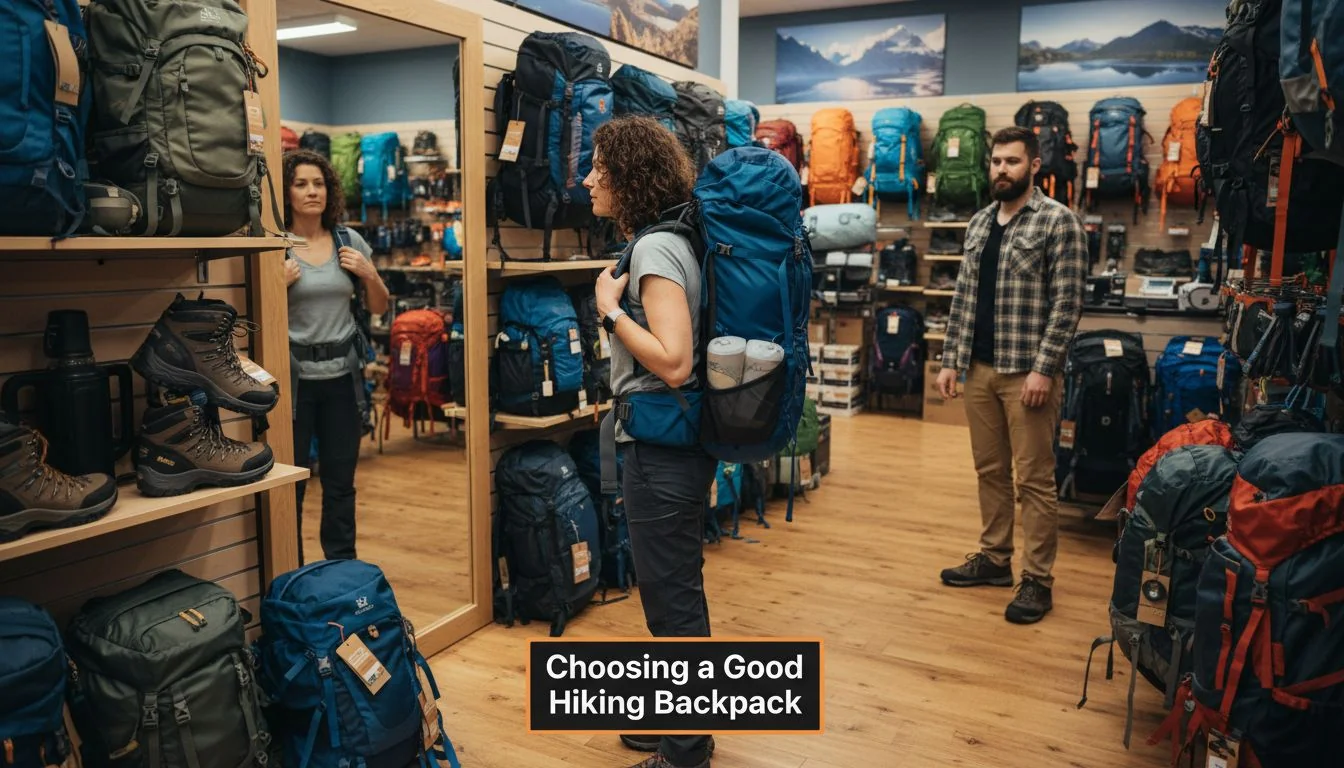
Torso Measurement Kits: Never guess your torso size. Use professional measuring tools or have a specialist assist in fitting.
-
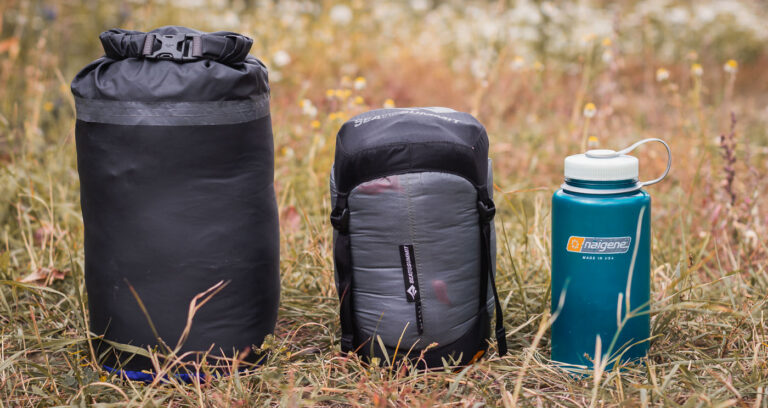
Load Balancing Accessories: Utilize compression sacks to increase the density of your load, which improves the stability of any frame.
-
Maintenance Kits: Keep spare buckles, seam tape, and repair adhesive in your pack for field-side repairs.
-
Water Management: Transition to integrated hydration sleeves that keep weight close to the spine rather than external bottle pockets that shift the center of gravity.
Risk Landscape and Failure Modes
The failure of a backpack is rarely a single event but a cascading sequence of stress. A common failure point is the failure of the hip-belt connection, which shifts the entire load onto the shoulders. Once this occurs, the user’s center of gravity is compromised, leading to increased fatigue and a higher likelihood of slips or falls on technical terrain. Furthermore, zipper failure—often caused by overstuffing—can turn a weather-tight system into a water-absorbing sponge during heavy rain.
Governance, Maintenance, and Long-Term Adaptation
Treating your equipment with a systematic approach ensures it remains a functional asset.
-
Bi-Annual Inspection: Check all high-tension points, particularly where shoulder straps attach to the pack body.
-
Cleaning Protocols: Remove dirt and grit from zippers regularly; grit acts as an abrasive, grinding down the metal teeth of zippers over time.
-
Storage: Store your pack hanging or lying flat, never compressed in a tight space, to maintain the integrity of the foam padding and frame shape.
Measurement, Tracking, and Evaluation
A serious hiker tracks the performance of their gear through both quantitative and qualitative data.
-
Leading Indicators: The time required to don/doff the pack and the ability to access essentials without stopping.
-
Lagging Indicators: Evidence of hot spots (chafing) on the skin, total weight of the kit relative to mileage covered, and the frequency of hardware repairs.
Common Misconceptions and Oversimplifications
-
“Larger is always better.” A larger pack is simply more space for the user to add unnecessary items.
-
“Waterproof means waterproof.” Most packs are merely water-resistant. Effective protection requires an internal pack liner or a high-quality rain cover.
-
“Expensive materials are always lighter.” While true, some “ultra-light” fabrics sacrifice puncture resistance, making them unsuitable for bushwhacking or heavy-duty use.
-
“Straps don’t matter as much as the bag.” The harness system is the bag. A bag with a great frame but a poor harness is essentially unusable.
Ethical, Practical, and Contextual Considerations
The environmental footprint of outdoor gear is non-trivial. Prioritizing packs made with recycled content or those that offer “lifetime” repair programs is a critical component of ethical consumption. Furthermore, understanding that the “best” pack for one trail may not be the “best” for another underscores the importance of a modular, sustainable gear philosophy.
Strategic Synthesis
The process to compare hiking backpack options is, at its heart, a process of self-knowledge. One must understand their own physiology, their specific travel mission, and the limits of their own physical capacity. By selecting a system that prioritizes load-transfer efficiency, structural stability, and appropriate material durability, the hiker secures a tool that facilitates a seamless connection between body and trail. The ideal backpack is the one that disappears, the one that ceases to be a piece of equipment and becomes an extension of the hiker, allowing for endurance and focus in the wild.