Compare Lightweight Packing Cubes: A Technical Guide to Luggage Optimization
The modern luggage compartment functions as a highly constrained micro-logistics environment. Within this localized volume, the spatial layout of cargo directly dictates the efficiency of human transit. As global airline networks impose stricter weight boundaries and smaller dimensional templates on carry-on luggage, the ability to organize personal inventory with geometric precision has transitioned from a casual packing preference to a core travel discipline. At the center of this structural strategy is the modular soft-sided container, commonly known as the packing cube.
When evaluated through the lens of industrial design, a packing cube is not merely a fabric pouch; it is an active tensile boundary. It functions by converting malleable, low-density textiles such as wool, cotton, and synthetic performance blends into predictable, rigid geometric blocks. These blocks can then be arranged inside a suitcase or technical pack with minimal wasted space. However, the market has moved far beyond basic mesh-and-nylon rectangles. It now features an array of high-tech textiles, mechanical compression systems, and ultra-lightweight materials that require a rigorous, systematic evaluation.
Understanding “compare lightweight packing cubes.”
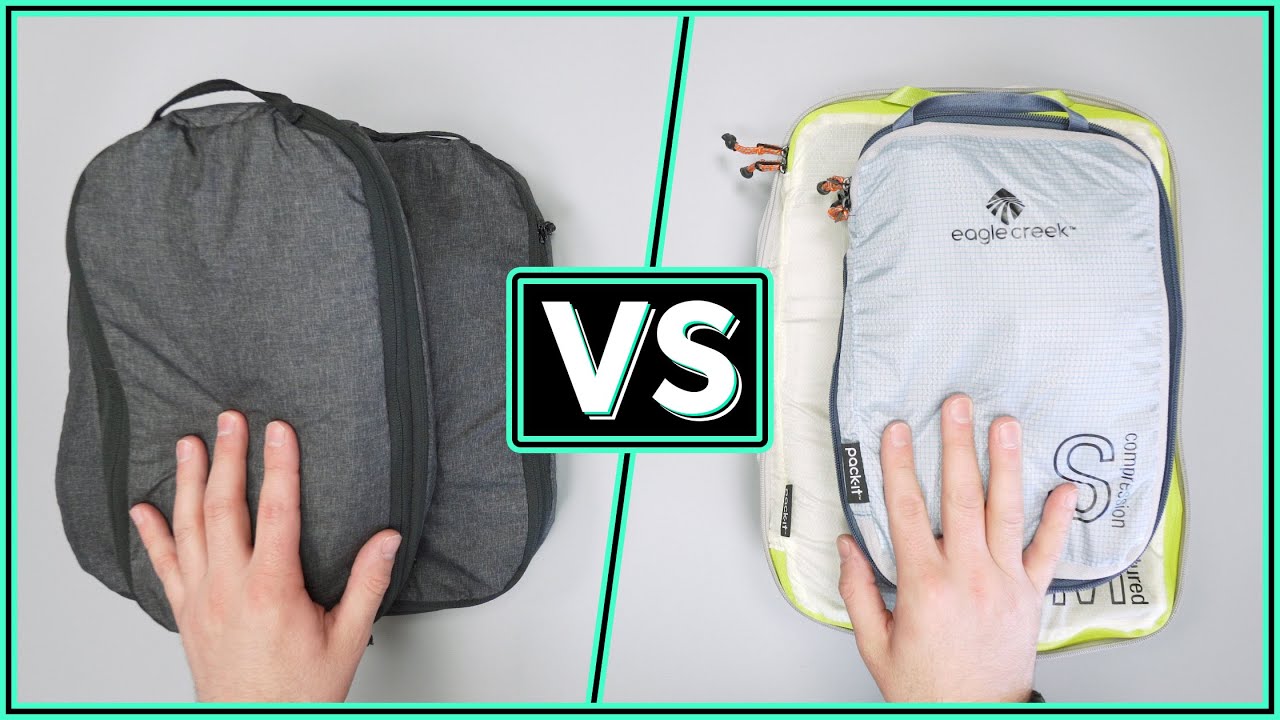
The analytical directive to “compare lightweight packing cubes” is frequently oversimplified in consumer reviews as a basic search for the cheapest or most colorful set of luggage organizers. This casual approach fails to account for the serious engineering challenges of long-term travel. An objective comparison must look past retail branding and evaluate these tools as active engineering components. The performance of an internal containment module depends entirely on a clear relationship between textile tensile strength, zipper track friction, seam elongation metrics, and the volumetric layout of the luggage vessel.
When travelers approach this comparison without a clear mental model, they often fall into the volumetric efficiency paradox. In an effort to minimize weight, they might select modules made from ultra-thin fabrics that lack structural stability. When stuffed with clothes, these cubes swell into rounded, irregular shapes rather than maintaining clean, sharp geometric lines.
The Evolution of Internal Baggage Architecture
The internal arrangement of travel luggage has evolved through distinct phases over the past century. For decades, traditional suitcases relied on heavy, built-in structural fixtures like wooden dividers, elastic compression straps, and starched fabric lining to hold items in place. These systems were permanently fixed to the inside of the case, which made them incredibly heavy and rigid. This design offered zero flexibility for travelers who needed to adjust their packing layout for different types of trips. The paradigm shifted significantly in the early 2000s with the rise of independent, soft-sided travel modules. In recent years, the engineering requirements of these modular systems have advanced rapidly due to innovations in materials and design:
The Development of High-Tensile Technical Fabrics
The adaptation of high-performance sailcloth materials and military-grade ripstop textiles transformed the weight-to-strength ratio of internal luggage organizers. These advanced fabrics allowed manufacturers to build modules with incredibly high seam strength at a fraction of the weight of traditional heavy Cordura or polyester meshes.
The Integration of Mechanical Compression Systems
Modern travel demands led to the invention of specialized double-zipper and vacuum-free compression cubes. These systems use a secondary perimeter zipper track to mechanically compress air out of packed clothing. This allows a significant reduction in the physical volume of soft garments, enabling travelers to pack more gear into smaller, carry-on-compliant bags without risking broken seams.
Mechanical and Volumetric Optimization Frameworks
To objectively analyze packing cubes, you must move past marketing claims and evaluate them using specific concepts derived from physics, material science, and geometric optimization.
1. The Volumetric Density Leverage Index
This framework measures how effectively a compression module reduces the physical volume of soft textiles relative to their unladen weight. This mechanical relationship can be calculated using the following formula.
2. The Geometric Space Clearance Efficiency Model
This model looks at how closely a packed module maintains a perfect rectangular prism shape under load. A perfectly square, flat-sided cube allows you to stack multiple modules tightly against one another inside a suitcase, leaving zero wasted air gaps between the bags. This framework evaluates the stiffness of the fabric seams and perimeter welting, measuring how well the cube maintains its rectangular shape when packed to its maximum limit.
3. The Hydrophobic/Atmospheric Equilibrium Index
This index evaluates the balance between weather protection and air management. When using fully waterproof, coated fabrics, air cannot pass through the material. While this keeps moisture out, it also traps air inside the cube during packing, creating a bouncy balloon effect that makes it difficult to pack tightly.
Material Taxonomy of Ultralight Containment Modules
The professional travel gear market can be divided into distinct categories based on fabric construction and materials. Each style involves specific design choices that make it excel in certain environments while creating clear vulnerabilities in others.
1. Siliconized Ripstop Nylon (Silnylon) Modules
Built by impregnating ultra-thin nylon fabrics with a liquid silicone formulation, silnylon features a highly slick surface texture, excellent water resistance, and an incredible weight-to-strength ratio.
-
Trade-offs: These modules are exceptionally light, easily sliding past one another inside a tightly packed bag, and offer great protection against spills. However, the fabric is highly translucent, offering minimal privacy for internal contents, and cannot be easily repaired with standard adhesive patches if punctured.
2. Monofilament Polyester Airmesh Containers
Constructed using an open-weave knit pattern that creates a durable, see-through mesh panel, these containers prioritize absolute breathability and quick visual inspection.
-
Trade-offs: They allow trapped air to escape instantly during packing and make it easy to see exactly what is inside at a glance. The downside is that they offer zero protection against moisture or dirt, and the open mesh can easily snag on sharp objects like keys or jacket zippers.
3. Ultra-High-Molecular-Weight Polyethylene (UHMWPE) Laminates
Often sold under brand names like Dyneema or Ultra, these cutting-edge laminates bond high-strength polyethylene fibers between protective outer films, creating an incredibly tough, non-stretching fabric sheet.
-
Trade-offs: They offer unmatched tensile strength, meaning they will not stretch or deform even under intense compression. However, they are highly expensive, create a loud crinkling noise when handled, and lack any natural flexibility, making them unforgiving if you try to pack irregular, hard-edged items.
| Structural Taxonomy | Primary Base Textile | Tensile Stress Limit | Unladen Structural Weight | Air Permeability | Hydrophobic Seal |
| Siliconized Ripstop | 30D / 40D Silnylon | High | Ultra-Low (15–25g) | Very Low | High (Water-resistant) |
| Monofilament Mesh | 100% Polyester Mesh | Moderate | Low (25–35g) | Absolute | Zero |
| UHMWPE Laminate | Dyneema Composite | Exceptionally High | Ultra-Low (10–18g) | Zero | Absolute (Impermeable) |
| TPU Clear Panel | Flexible TPU Film | High | High (60–90g) | Zero | Submersion Grade |
| High-Density Tyvek | Flash-Spun HDPE | Moderate | Ultra-Low (12–20g) | Moderate | Moderate |
Real-World Operational Scenarios and Stress Transitions
Evaluating internal modular gear requires looking at how these containment systems perform across different travel setups.
The Transcontinental Carry-On Consolidation Itinerary
-
Profile: A business-critical multi-week journey compressed entirely into a strict 40-liter international carry-on bag, requiring professional attire, casual clothing, and technical gear to fit within tight size limits.
-
Dynamics: This setup requires maximum compression and perfect space efficiency. Every cubic centimeter of space must be optimized, and clothes must remain wrinkle-free during multiple packing and unpacking cycles.
-
Failure Mode: Using thin, non-compressing mesh modules will cause immediate issues. When stuffed, the cubes swell into round, lumpy shapes that leave large air gaps in the corners of your suitcase. This wastes valuable space and forces you to check your bag at the gate due to overflow.
-
Optimal Choice: Mechanical compression cubes made from slick silnylon or non-stretching UHMWPE laminates. These modules hold clothes in a tight, flat rectangular block, eliminating wasted space and allowing you to maximize every inch of your carry-on bag.
The Extended Off-Grid Wilderness Transit
-
Profile: Multi-week travel through rainy, high-humidity remote areas, involving transport in open trucks, walking over unpaved trails, and sleeping in non-climate-controlled tents.
-
Dynamics: Gear is exposed to constant vibrations, fine dust, and moisture. Clothes must be kept clean, dry, and protected from bugs or dirt inside a technical backpack.
-
Failure Mode: Standard open-mesh cubes fail in this environment. Fine dust and moisture easily pass through the mesh panels, dirtying clean clothes and trapping damp smells inside the bag.
-
Optimal Choice: Fully sealed, water-resistant silnylon or Dyneema cubes featuring weatherproof zipper tape. This closed system keeps moisture and dust out, ensuring your clothes stay clean and dry even during heavy rainstorms.
Lifecycle Economics and Value Architecture
Investing in high-performance internal travel modules requires shifting from an upfront purchase mindset to a long-term total cost of ownership analysis. Because packing cubes experience constant friction, tension, and stretching, choosing cheap budget options often leads to higher long-term costs due to frequent replacements.
A premium set of technical packing cubes ($45–$80) built with high-tensile fabrics and backed by a lifetime warranty amortizes beautifully over years of travel. For instance, if a frequent flyer takes 50 flights a year over five years(250 trips), a $50 set of high-quality cubes costs just $0.20 per trip. On the other hand, buying multiple cheap, low-grade sets because of broken zippers or ripped seams ends up costing more out of pocket while risking a messy gear failure in the middle of a major trip.
| Capital Investment Tier | Average Price (USD Set) | Material Durability Profile | Warranty Backbone | Secondary Structural Risks |
| Mass-Market Budget | $12 – $20 | Low-Denier Polyester, Generic Plastic Zippers, Single Seams | None / 30-Day Retailer Return | High risk of zipper splits, fabric fraying, and seams tearing open under compression. |
| Mid-Tier Consumer | $25 – $40 | Standard 210D Nylon, YKK Coil Zippers, Interior Binding | 1-to-3 Year Limited Warranty | Foam or mesh tearing; zipper sliders catching on loose internal threads. |
| Premium Technical | $45 – $75 | Virgin Silnylon, YKK RC Zippers, Reinforced Seams | Unconditional Lifetime Repair/Replace | High initial upfront cost; learning curve for managing slick fabric compression. |
| Specialized Ultra-PE | $80 – $140+ | Dyneema / Ultra Laminates, Welded Seams, Water-Tight Tracks | Lifetime Component Specific | Material is noisy and crinkly; fabric has zero stretch, making it rigid to pack. |
System Integration: Packing Topologies and Weight Dynamics
To get the most out of your internal travel containment modules, you must arrange your gear inside your bag based on structural logic. Randomly tossing packing cubes into a suitcase creates uneven weight distribution and wastes space, which undermines the benefits of an engineered luggage system.
The Concentric Density Layout Strategy
The key to maintaining carrying comfort and bag stability is arranging your modules based on the weight and density of their contents. This approach places cubes into specific zones relative to the bag’s frame: By placing your heaviest, densest modules close to the wheels of a suitcase or the spine of a backpack, you lower the bag’s center of gravity. This stops wheeled luggage from tipping over on terminal carpets and keeps backpacks balanced comfortably over your hips.
Optimization of Internal Air Deflection
When using water-resistant, coated fabrics like silnylon, air can easily get trapped inside the cube as you zip it closed. This creates a puffy balloon effect that wastes valuable space inside your bag. To prevent this, use a rolling compression technique: zip the cube 80% of the way closed, press your weight down firmly on the module to force the trapped air out through the remaining opening, and then pull the zipper completely closed while keeping the fabric compressed.
Risk Landscape, Seam Mechanics, and Hardware Vulnerabilities
A packing cube is only as strong as its weakest component. Under the constant tension of holding compressed clothing, specific parts are highly prone to breaking if they are not engineered correctly.
1. Seam Slippage and Elongation Stress
The seams of a packing cube experience continuous stress when holding tightly packed clothes. In poorly made modules, the fabric threads will slide apart under tension a failure mode known as seam slippage. This exposes the raw edges of the fabric and causes the seam to unravel. High-performance cubes solve this by using flat-felled seams or reinforcing the stitching with heavy-duty internal binding tape that distributes the pull force evenly across the fabric.
2. Zipper Track Abrasion and Tooth Displacement
The perimeter track of a compression cube takes immense pressure as it forces down bulky clothing. Cheap coil zippers are easily bent or pulled out of alignment by this force, causing the slider to jump the track and ruin the cube. Premium options use specialized YKK Racket Coil (RC) zippers. These are built with flatter, reinforced teeth that offer high abrasion resistance and prevent punctures from sharp tools or overstuffed gear.
3. Slider Binding and Tape Fraying
As you pull a zipper closed on an overstuffed cube, the moving slider can easily catch on loose fabric threads or the edges of clothing inside. This causes the slider to jam and frays the zipper tape, leading to a permanent structural failure. To prevent this, premium cubes incorporate raised fabric guard rails or stiff plastic piping along the inside of the zipper track. This keeps clothing pushed away from the moving teeth and ensures smooth zipping.
Maintenance, Fabric Governance, and Long-Term Care
High-quality travel modules are long-term assets that deserve proper care. To maintain fabric strength, preserve water-resistant coatings, and ensure smooth zipper performance over years of travel, you should follow a regular maintenance routine.
Periodic Cleaning and Hardware Care
-
Clearing the Zipper Tracks: Run a soft nylon brush along the zipper teeth to remove dust, lint, and fabric fibers that can clog the slider. Rub a small amount of paraffin wax or specialized silicone zipper lubricant along the tracks to ensure smooth movement under tension.
-
Fabric Laundering: Wash fabric modules by hand in cold water using a gentle, mild soap. Never use harsh detergents, fabric softeners, or bleach, as these chemicals will strip away the waterproof silicone or polyurethane coatings. Let the cubes air-dry completely in a well-ventilated indoor space; never put them in a mechanical dryer, as high heat will melt or shrink the technical fabrics.
-
Inspection of Stress Points: Check the internal seams and handle anchor points for any signs of loose threads or fabric pulling. Snip away any frayed threads with scissors to prevent them from catching in the zipper track on your next trip.
Layered Pre-Flight Packing Checklist
Before zipping up your main luggage, run through this operational checklist to ensure your modular system is secure and efficient:
-
Air Evacuation Check: Confirm that all trapped air has been fully pressed out of water-resistant cubes to maintain a slim, flat profile.
-
Zipper Guard Alignment: Check that no clothing threads or garment edges are caught in the zipper teeth before pulling the slider closed.
-
Weight Balance Review: Verify that your modules are arranged with the heaviest items positioned close to the bag’s frame or wheel base.
-
Moisture Separation: Ensure damp items or liquids are stored securely inside fully waterproof TPU or sealed modules, keeping dry clothing completely isolated.
Performance Auditing and Analytical Verification
To prevent unexpected gear failures during a major trip, you should actively track the wear and performance of your modules over time. Relying on guesswork can lead to a split zipper or torn seam in the middle of a hotel room. Monitoring a few simple leading indicators helps you fix or replace worn gear before it causes an issue.
Performance Indicators to Track
-
Leading Indicators (Early Signs): Minor pulling or widening of the stitch holes along compression seams; zipper sliders catching or feeling rough on curves; or the fabric developing thin, worn spots near high-friction corners.
-
Lagging Indicators (Historical Data): The total number of packing cycles completed without failure; the total weight supported under compression; and the lifespan of the fabric coatings before losing water resistance.
Structural Performance Log Example
By keeping a simple log of your gear’s condition, you can track its decline and know exactly when a module is approaching the end of its reliable lifecycle.
Deconstructing Industry Misconceptions and Retail Myths
Busting these common myths is essential for choosing a modular packing system that will perform reliably over the long haul.
Myth 1: Double-Zipper Compression Cubes Save Total Weight in Your Bag
A common belief is that using compression cubes will automatically make your suitcase lighter. This is physically impossible. Compression cubes reduce the physical volume of your clothes by squeezing out trapped air, but they do not change the actual weight of the garments.
Myth 2: All Ripstop Fabrics Offer the Same Level of Durability
Many brands use the term “ripstop” to imply that a bag is completely immune to tearing.
Myth 3: Packing Cubes are Only Useful for Carry-On Travelers
Infrequent travelers often assume that packing modules are only necessary for minimalists trying to travel with a single small backpack. This is an oversimplification. Packing cubes are just as useful in large, checked suitcases.
Myth 4: Fully Waterproof Modules are Always the Best Choice
It is easy to assume that choosing a completely waterproof packing cube is the best way to protect your clothes. In reality, fully waterproof fabrics trap air completely.
Socio-Environmental Realities in Textile Engineering
When choosing an internal travel system, it is important to consider the environmental impact of modern textile manufacturing. The production of technical nylon and polyester fabrics requires significant energy and chemical treatments, including the application of Durable Water Repellent (DWR) coatings to keep moisture out. Historically, these coatings relied on perfluorinated chemicals (PFCs) that persist in the environment for decades.
Architectural Synthesis and Structural Adaptability
Ultimately, the decision to compare lightweight packing cubes reveals that efficient packing is not about finding a single perfect product, but about choosing a configuration that matches your specific travel infrastructure. No single packing system can solve every travel challenge. The ideal modular setup requires balancing material properties, compression capabilities, and unladen weight against the exact size constraints of your luggage.