Best Water Filter Bottles for Backpacking: A Technical Guide to Field Hydration
The ability to procure potable water in the backcountry remains the single most critical constraint on human endurance and mobility. While historical methods relied upon cumbersome chemical tablets, time-intensive boiling, or fragile ceramic pumps, the modern era of water purification has shifted toward integrated, portable filtration systems. These tools are not merely containers; they are sophisticated mechanical and chemical interfaces that determine the safety and stability of an expedition. In environments where the proximity to reliable water sources is variable and the microbial risk is unpredictable, the filtration system functions as the primary line of defense against physiological disruption.
The challenge inherent in selecting these systems is the tension between flow rate, filtration efficacy, and physical durability. A filter that achieves high-fidelity removal of viral and bacterial pathogens often requires a dense membrane, which in turn necessitates higher physical effort from the user. Conversely, high-flow systems often sacrifice the ability to address smaller, more insidious contaminants. Balancing these variables requires a deep understanding of the intended hydrological environment and the specific filtration architecture employed by each device.
Understanding “best water filter bottles for backpacking.”
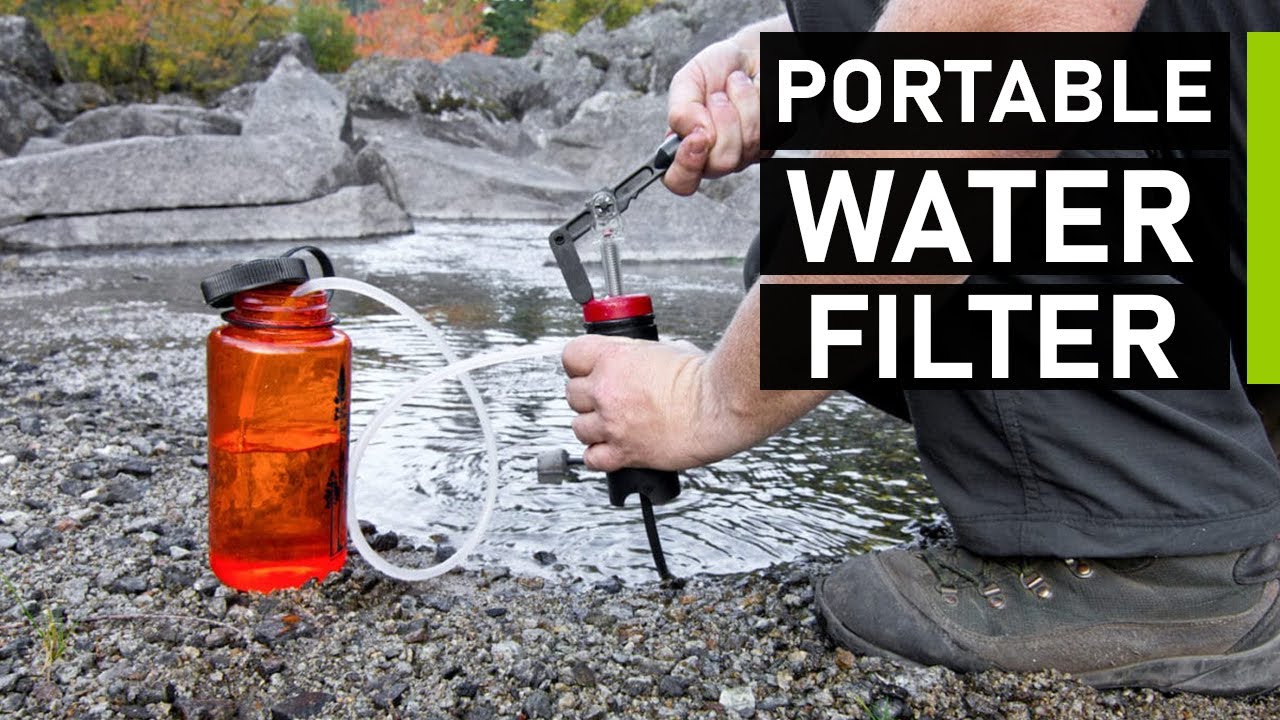
The pursuit of the best water filter bottles for backpacking is frequently hampered by a fundamental misunderstanding of the distinction between “filtration” and “purification.” A filter is designed to physically remove biological organisms through porous membranes, while a purifier is intended to eliminate smaller, viral-sized threats, often requiring chemical or intense UV intervention. The common error of oversimplification leads users to treat these devices as interchangeable, which introduces significant risk in regions where viral pathogens are the primary concern.
Furthermore, the “best” device is entirely contextual. A bottle designed for the high-flow requirements of a mountain runner is fundamentally different from a bottle optimized for the silt-heavy, turbid conditions of a lowland desert stream. Relying on universal recommendations ignores the reality that filter architecture is a trade-off: higher filtration fidelity almost always correlates with higher flow resistance, requiring greater physical effort. Identifying the right tool requires a rigorous assessment of the specific water profile of the intended environment, rather than a broad appeal to popularity.
Deep Contextual Background: The Evolution of Hydration Systems
The evolution of water treatment in the backcountry has mirrored the technological trajectory of industrial engineering. Early methods were chemical, such as potassium permanganate or iodine effective but biologically harsh and flavor-altering. The subsequent introduction of ceramic candle filters allowed for the physical removal of sediment and bacteria, though these systems were notoriously prone to cracking under field stress.
The modern paradigm, led by hollow-fiber membrane technology and activated carbon integration, has optimized for weight and speed. The shift toward bottle-integrated systems is a result of the “one-step” philosophy: the desire to minimize the delta between discovery and consumption. However, this convenience has introduced new systemic failures, such as compromised seals and degradation of the internal filter cartridge, necessitating a more advanced understanding of the device’s mechanical lifecycle.
Conceptual Frameworks and Mental Models
To manage the complexity of hydrological safety, practitioners utilize specific frameworks:
The Flow-Resistance Threshold
This model evaluates the metabolic cost of using a specific device. A bottle that requires high-pressure squeezing to deliver water adds a measurable caloric tax, particularly over long distances. High-resistance systems are “slow,” which can lead to dehydration if the user becomes discouraged by the physical effort required to hydrate.
The Membrane Integrity Duality
This model demands that the user consider the physical durability of the filter cartridge against the required frequency of use. Hollow-fiber membranes are fragile when exposed to extreme cold (freezing can shatter the fibers), whereas pleated membranes may offer higher throughput but are more susceptible to clogging in highly sediment-rich environments.
The Microbial Risk Matrix
This framework matches the filter’s capability with the regional threat level. In high-altitude, cold-water environments, protozoa and bacteria are the primary concerns. In more populated or tropical corridors, viral pathogens become the dominant threat, necessitating either a higher-tier purification device or a hybrid chemical-mechanical approach.
Key Categories and Hardware Variations
Evaluating the best water filter bottles for backpacking requires an analysis of the internal mechanics and the external interface.
| Category | Filtration Tech | Flow Rate | Best Use Case |
| Squeeze-to-Drink | Hollow-fiber membrane | High | Fast-moving, clear water |
| Pump-Integrated | Multi-stage/Ceramic | Moderate | Turbid, sediment-heavy water |
| Gravity-Integrated | Hollow-fiber | High (bulk) | Base camps, group travel |
| Press-Style | Electro-adsorptive | Slow-Moderate | Virus-heavy, global travel |
Realistic Decision Logic
When evaluating your requirements, use this hierarchy:
-
Source Clarity: Does the water contain high levels of dissolved silt? If yes, look for pre-filtering capacity.
-
Viral Threat: Is the watershed high-density or tropical? If yes, consider integrated chemical or UV-purifying agents.
-
Operational Volume: Does the travel plan require bulk throughput (group support) or individual agility?
Detailed Real-World Scenarios and Operational Constraints
Scenario 1: The High-Altitude Alpine Trek
The water sources are glacial and clear. The constraint is extreme cold. The primary risk is membrane freeze-up. The solution is a system that can be kept in a sleeping bag overnight, paired with a hollow-fiber filter known for its ruggedness at low temperatures.
Scenario 2: The Silt-Heavy Desert Wash
The water is highly turbid, requiring immediate filtration but frequent maintenance. The constraint is the “clogging frequency.” A system with a high-capacity, easily back-flushable membrane is essential.
Scenario 3: The Global Traveler/Urban Hiker
The threat is bacterial, viral, and chemical (agricultural runoff). The standard membrane filter is insufficient. An electro-adsorptive press-style system is required to address the broad spectrum of pathogens and chemical impurities common in populated watersheds.
Planning, Cost, and Resource Dynamics
The “cost” of a filtration system is not just the price of the bottle; it is the amortized cost of the cartridges over the device’s lifespan.
Comparative Resource Dynamics
| System Complexity | Maintenance Frequency | Cartridge Cost | Resilience (Failure Risk) |
| Low (Squeeze) | High (Back-flush) | Low | Moderate |
| Medium (Pump) | Moderate | Moderate | High |
| High (Press) | Low | High | High (Virus-capable) |
Tools, Strategies, and Support Systems
-
The Pre-Filter Bag: Using a simple synthetic mesh bag to filter out leaves and grit before the water reaches the device dramatically increases the filter’s operational lifespan.
-
Back-Flushing Syringes: A high-pressure syringe is mandatory for any membrane-based system to restore flow rate in the field.
-
Chemical Redundancy: Always maintain a small quantity of purification tablets as a “Plan C,” particularly in high-risk zones where filter failure could be fatal.
-
Integrity Tests: Periodically verifying the membrane for leaks ensures that the system is not bypassing contaminants.
Risk Landscape and Failure Modes
The “silent failure,” the invisible breach in the membrane, is the most dangerous state for any filtration system. A filter may appear to function correctly while allowing pathogens to pass through. This necessitates a strict protocol of testing before embarking on high-risk expeditions. Compounding this is the “cross-contamination” risk, where a clean bottle is filled from a contaminated source, negating the entire filtration process.
Governance, Maintenance, and Long-Term Adaptation
Treating your equipment with a systematic approach ensures long-term viability:
-
The Logbook: Track the volume of water processed through each cartridge. Every membrane has a finite capacity; tracking allows for preventative replacement.
-
Sanitization Cycles: Periodically running a weak dilute bleach solution through the system prevents biofilm formation, which can impair flow and flavor.
-
Adjustment Triggers: If back-flushing no longer restores the flow rate, the cartridge has reached its structural limit and must be cycled out of service.
Measurement, Tracking, and Evaluation
-
Leading Indicators: Time to fill a 1-liter vessel; clarity of output; back-pressure felt during operation.
-
Lagging Indicators: Frequency of clogging; taste degradation; evidence of membrane integrity failure.
Common Misconceptions and Oversimplifications
-
“Filters kill viruses.” Most do not; filters only remove bacteria and protozoa. Understanding this distinction is the difference between health and infection.
-
“Clear water is safe water.” Clear water can contain high levels of heavy metals or agricultural chemicals that standard membranes do not remove.
-
“Carbon filters remove everything.” Carbon improves flavor but has a limited lifespan for chemical absorption; it does not replace the primary membrane.
-
“Fast flow is always better.” A system that filters too quickly often uses larger pore sizes, which may bypass the most common pathogens.
Ethical, Practical, and Contextual Considerations
The reliance on disposable filtration cartridges presents a localized waste management challenge. Prioritizing systems with replaceable, high-volume cartridges or those that can be serviced in the field is a form of ethical consumption. Furthermore, considering the watershed’s vulnerability to chemical runoff aligns with a broader stewardship of the wilderness, encouraging hikers to choose treatment methods that minimize their own environmental impact.
Strategic Synthesis
The selection of the best water filter bottles for backpacking is a foundational exercise in risk management and logistical planning. By moving beyond the surface-level convenience, the informed hiker designs a system based on membrane fidelity, environmental threat levels, and structural redundancy. The ideal device disappears; it becomes a reliable, transparent bridge between the source and the human biological need, ensuring that health and performance remain uncompromised regardless of the terrain. The goal is not just to filter water, but to guarantee the continuity of the mission through absolute confidence in one’s primary life-support system.