Best Lightweight Toiletry Bag Options: A Technical Travel Guide
The systematic management of personal grooming supplies during transit represents a significant logistical challenge for the modern traveler. While early twentieth-century expeditions relied upon rudimentary canvas ditty bags or heavy, structured leather cases, the contemporary requirement for efficiency demands a more refined approach to volume and weight. The transition from monolithic, singular containers to specialized, modular systems reflects broader shifts in packing philosophy where every gram is accounted for, and organization is prioritized as a means of reducing stress in high-mobility environments.
Inquiry into the best lightweight toiletry bag options requires an analytical look at the tension between material durability and mass efficiency. An ideal system must manage the containment of liquids, tools, and hygiene essentials without compromising the structural integrity of the bag or adding unnecessary weight to a carry-on load. As synthetic fabric technologies have evolved, moving from basic nylon to high-tenacity, ripstop composites and ultra-lightweight, water-resistant membranes, the engineering of these kits has shifted from simple geometric containment to complex, multi-functional organizational systems.
This analysis provides an exhaustive framework for selecting, deploying, and managing toiletry storage solutions. It moves beyond the surface-level consumer recommendations found in retail guides to explore the physical variables that define high-performance gear. By establishing rigorous criteria for material selection, sealing mechanisms, and structural adaptability, this reference serves as a definitive resource for those who view pack organization as a primary component of travel efficiency and operational readiness.
Understanding “best lightweight toiletry bag options.”
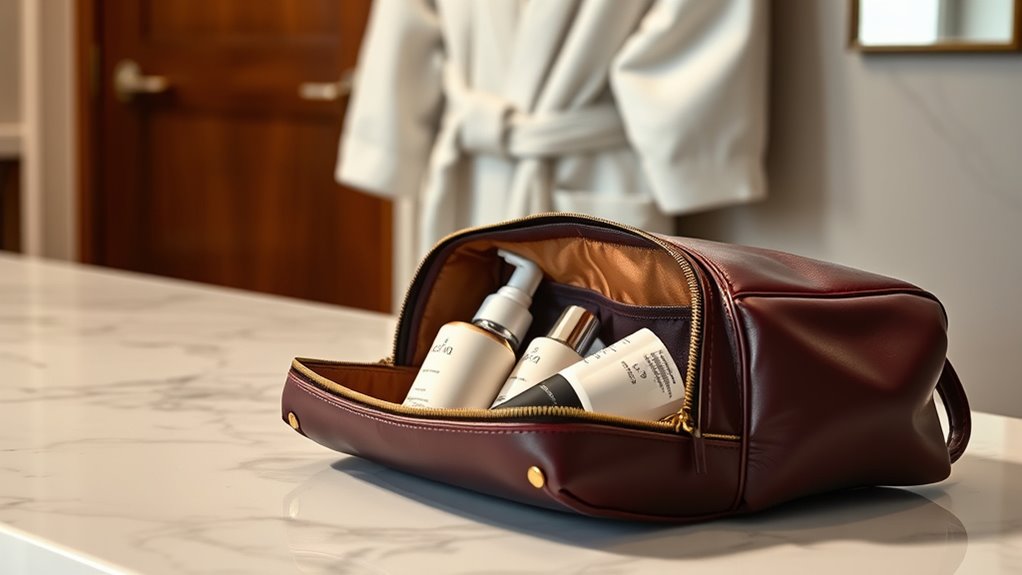
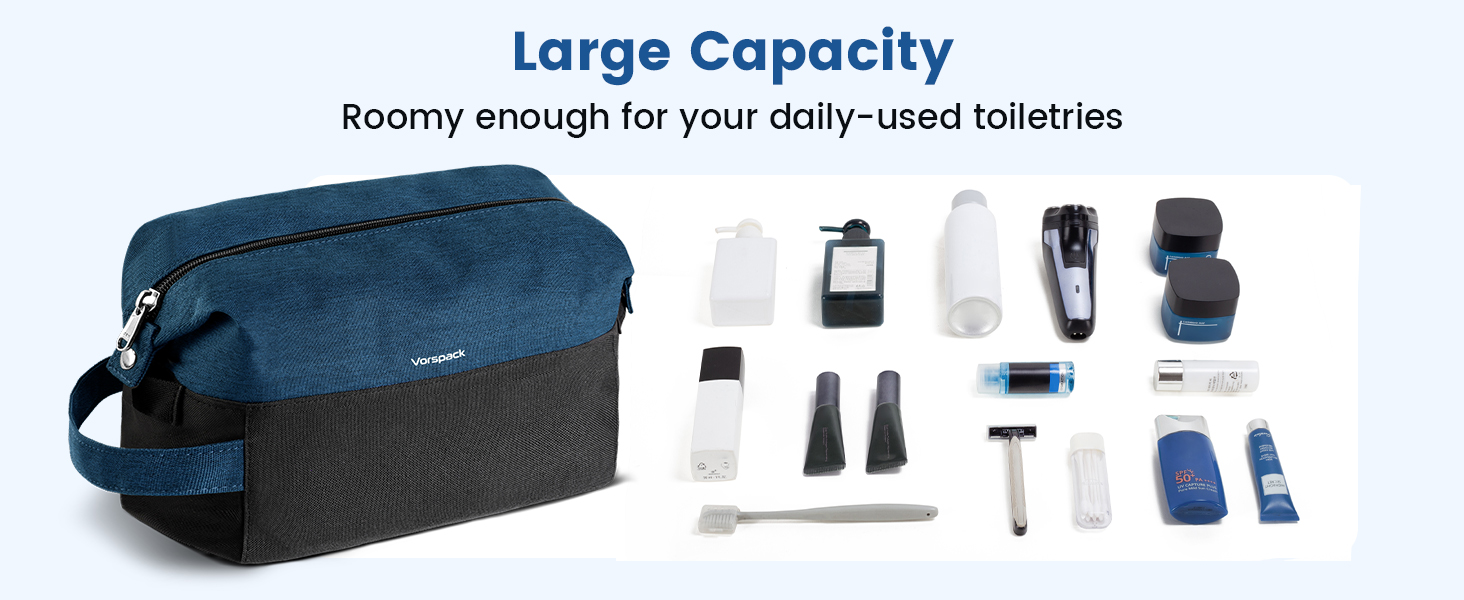
The search for the best lightweight toiletry bag options is frequently mired in a fundamental misunderstanding of what these tools are designed to achieve. Many users view toiletry containment as a matter of simple capacity, disregarding the chemical and mechanical limits of the environment inside the bag. In reality, a sophisticated toiletry kit is a regulatory mechanism intended to consolidate volume, isolate potential leaks from primary gear, and ensure rapid access in constrained bathroom environments.
Over-simplification in this category is a common error. When a user selects a bag based solely on weight, they often ignore the critical need for spill containment and the durability of the closure mechanisms. Furthermore, “lightweight” is a relative term; a bag constructed from ultra-thin 30D nylon may offer minimal mass, but it will fail to provide the structural support needed for modular organization. Truly understanding the selection process involves evaluating how each bag manages the three-way trade-off between weight, durability, and waterproofing.
Deep Contextual Background: The Evolution of Wash Bags
The evolution of the “Dopp kit,” the traditional moniker for the toiletry bag, is a history of moving from rigid, heavy-duty leather to flexible, high-performance textiles. Named after leather-crafter Charles Doppelt, who secured a military contract in 1919, the classic kit was designed for stability and durability. However, the military-issue heritage prioritized ruggedness over weight optimization.
The modern shift toward ultralight travel, driven by the rise of one-bag travel and carry-on-only constraints, has necessitated a departure from the traditional leather Dopp. Engineers now leverage high-denier ripstop, silicone-impregnated fabrics, and even non-woven composites like Dyneema to create structures that weigh mere grams while maintaining high resistance to abrasion and chemical degradation from hygiene products. This shift reflects a broader professionalization of travel logistics, where the toiletry kit is treated not as an afterthought but as a critical node in an integrated packing ecosystem.
Conceptual Frameworks and Mental Models
To effectively navigate the variables of toiletry management, utilize the following frameworks to isolate decision factors.
The Containment Duality
This model demands that the user weigh the necessity of “visible organization” against “spill-containment.” Open-mesh or modular systems provide excellent visibility and access but offer zero protection against a ruptured shampoo bottle. The duality forces a decision point: prioritize the speed of finding items (organization) or the absolute protection of the primary bag (containment).
The Environmental Barrier Hierarchy
This framework categorizes a bag by its ability to isolate content.
-
Tier 1 (Breathable): Mesh-heavy, ideal for “dry” items like toothbrushes or solid soap.
-
Tier 2 (Water-Resistant): DWR-coated fabrics; handles minor condensation.
-
Tier 3 (Submersible/Leak-Proof): TPU-welded seams and airtight zippers; mandatory for liquid transport.
This model forces the user to categorize their contents before evaluating the hardware.
The Kinetic Load Model
This evaluates the physical attachment points of a hanging toiletry kit. A kit that hangs requires a stable center of gravity; a poorly balanced design will tip over, spilling its contents during the retrieval process. A superior kit design incorporates a “low-center” hook or an articulating hanger, ensuring stability under variable loads.
Key Categories and Hardware Variations
Distinguishing the best lightweight toiletry bag options requires an analysis of geometry and material science.
| Category | Typical Mechanism | Structural Strength | Best Used For |
| Hanging Roll-Out | Webbing/Hook | Moderate | Hostels, communal bathrooms |
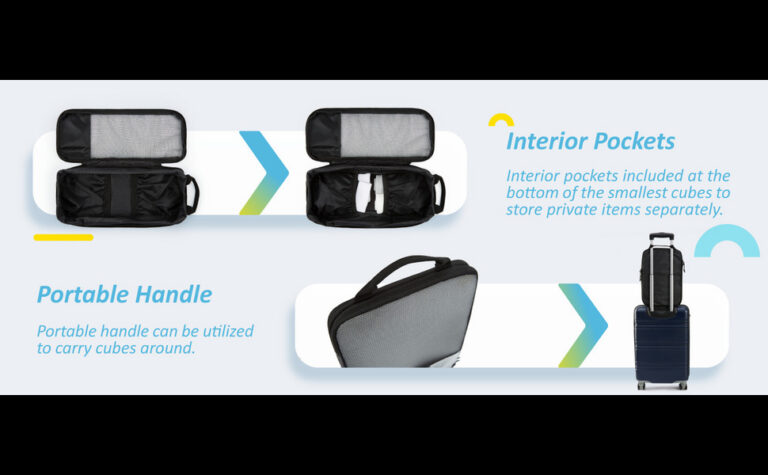
| Pouch/Cube | Zippered access | Minimal | Minimalist, single-bag travel |
| Modular/Systemic | Hook-and-loop panels | High | Complex routines/High-volume |
| Minimalist Shell | Drawstring/Snap | Negligible | Pure ultralight carry |
Realistic Decision Logic
When choosing a system, follow this hierarchy:
-
Liquid Volume: Does the user carry significant liquid volume? If yes, a leak-proof pouch or a modular system with a spill-resistant inner core is mandatory.
-
Bathroom Geography: Is the typical bathroom setup spacious or cramped? Hanging kits are essential for cramped, sink-free environments.
-
Accessibility Requirements: Is the routine simple (3 items) or complex (15+ items)? High-volume routines require modular organization; minimalist setups require simple, high-visibility pouches.
Detailed Real-World Scenarios and Operational Constraints
Scenario 1: The High-Mobility “One-Bag” Traveler
The user lives out of a single 30L pack. The constraint is extreme space and weight management. The decision point is the use of non-standardized containers using a simple, transparent, ultralight silicone or nylon pouch that serves the dual purpose of a TSA 3-1-1 bag and a toiletry organizer.
Scenario 2: The Multi-Day Outdoor Expeditioner
Hygiene is secondary to weight. The kit must be waterproof to keep items dry in the field. The constraint is environmental moisture. A simple, welded-seam dry bag is the most resilient, albeit least organized, solution.
Scenario 3: The Business Professional
The user requires quick, desk-to-sink efficiency. The kit must be professional and highly structured. A book-style, clamshell organizer is the optimal choice, as it stands upright on a desk or sink, functioning like a portable vanity.
Planning, Cost, and Resource Dynamics
Effective toiletry management is an exercise in resource optimization. The cost of failing to manage a grooming kit manifests as increased time spent in bathrooms, the risk of ruined apparel due to leaks, and the frustration of disorganized travel.
Comparative Resource Dynamics
| Feature | Low-Cost (Budget) | Mid-Range (Standard) | High-Performance (Pro) |
| Fabric | Polyurethane coated | Siliconized Ripstop | Dyneema/Composite |
| Seams | Standard stitch | Taped/Sealed | Welded/Bonded |
| Hardware | Standard plastic | YKK / Corrosion-proof | Titanium/Alloy |
| Lifespan | 6–12 months | 2–4 years | 5+ years |
Tools, Strategies, and Support Systems
The best lightweight toiletry bag options should be supplemented with:
-
Silicone Squeeze Bottles: Essential for standardizing volume and minimizing leak risk.
-
Solid-State Hygiene: Transitioning to bars (shampoo, soap, toothpaste) removes the leakage risk entirely.
-
Cleaning Maintenance: Keeping the bag clean is a form of maintenance; regular wiping with a disinfectant prevents bacterial growth in damp environments.
-
Decanting Tools: Funnels and spatulas for transferring bulk products into travel-compliant containers efficiently.
Risk Landscape and Compounding Failure Modes
The failure of a toiletry kit often begins at the zipper. When liquids seep into the zipper track, they can crystallize, causing the zipper to jam or the teeth to lose alignment. Compounding this is the “cross-contamination” risk: if a shampoo leaks into a secondary compartment, it can damage sensitive electronics or other gear packed in the same luggage. This necessitates the use of nested secondary containment for liquids.
Governance, Maintenance, and Long-Term Adaptation
Treating your equipment with a systematic approach ensures long-term viability.
-
Review Cycles: Every two trips, inspect all seals and seam-taping for signs of delamination.
-
Sanitization: Periodically wash the bag in warm, soapy water to remove residues.
-
Adjustment Triggers: If a bag is consistently over-stuffed, evaluate the toiletries—are full-size items being carried when travel-size would suffice?
Measurement, Tracking, and Evaluation
A serious traveler monitors the efficiency of their grooming kit.
-
Leading Indicators: Total weight of the fully packed kit, time required to access a core item (like a toothbrush).
-
Lagging Indicators: Frequency of leak events, evidence of material wear, and personal satisfaction during the routine.
Common Misconceptions and Oversimplifications
-
“All zippers are waterproof.” Most standard nylon zippers are water-resistant at best; only specialized, TPU-coated zippers prevent liquid egress.
-
“Larger bags are more organized.” Increased volume often leads to “toss and dig” behavior rather than efficient organization.
-
“Transparency is enough.” While TSA-compliant, transparent plastic bags are notoriously prone to tearing at the seams.
-
“Leather is the best material.” Leather is aesthetic but functionally poor in damp environments; it retains moisture and can harbor mold.
Ethical, Practical, and Contextual Considerations
The industry’s reliance on disposable plastic containers creates a significant environmental burden. Opting for refillable silicone bottles and prioritizing durable, multi-year wash bags is a form of ethical consumption. Furthermore, considering the material composition, avoiding virgin plastics in favor of recycled synthetics aligns with a sustainable travel philosophy.
Strategic Synthesis
Mastering the storage of grooming items is a fundamental pillar of streamlined travel. By treating the kit as a precision-engineered module, the traveler ensures that their daily routine remains unaffected by the unpredictability of transit. The objective is never simply to find the “lightest” bag; it is to create a controlled, spill-proof, and highly accessible environment for essential grooming tools. The search for the optimal solution concludes with the understanding that the most reliable systems are those that prioritize material science, structural redundancy, and ease of use in diverse, often challenging, travel conditions.