Best Noise-Cancelling Headphones for Flying: Ultimate Acoustic Travel Guide
The maintenance of sensory equilibrium and psychological stamina within a commercial aircraft cabin represents an intricate challenge in acoustic physics, environmental ergonomics, and structural dynamics. Modern commercial flight environments expose passengers to a relentless, dense, and continuous spectrum of low-frequency kinetic energy. This energy profile is driven by a combination of boundary layer air friction sweeping across the fuselage hull at cruise velocities, the mechanical and exhaust signatures of high-bypass turbofan engines, and the structural vibrations of internal composite and aluminum cabin panel components. For the frequent long-haul traveler, this environment does not merely present a minor situational annoyance.
When travelers search for technical guidance on this topic, they are often confronted with standardized consumer reviews that evaluate hardware through a highly generalized lens. These evaluations typically prioritize high-frequency musical clarity, casual ergonomics, and visual design trends while failing to address the specific physical, atmospheric, and mechanical stresses encountered inside a pressurized cabin. A headphone that delivers an acceptable performance in a quiet office setting or during an urban train commute can fail when subjected to an aluminum airframe vibrating intensely between 40 Hz and 250 Hz. To select an effective tool, a traveler must evaluate specific engineering metrics, including passive seal degradation under jaw movement, low-frequency active phase inversion capacity, and the structural performance of internal acoustic chambers when subjected to cabin pressure variations.
Understanding “best noise-cancelling headphones for flying.”
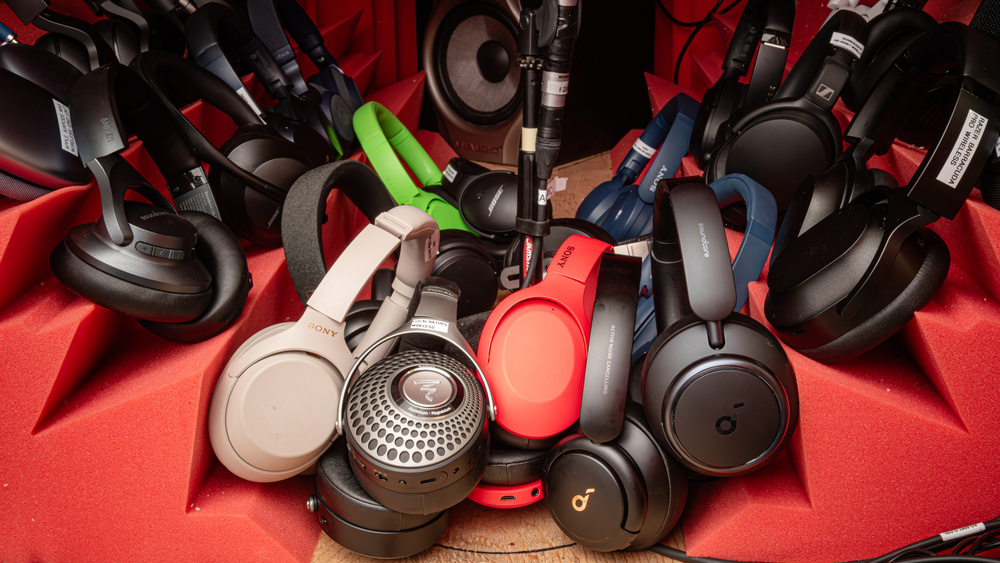
The phrase ” best noise-cancelling headphones for flying is frequently used in mass media as a generic label for any widely recognized consumer headphone with an active cancellation toggle and a premium price tag. Within the disciplines of acoustic engineering, environmental ergonomics, and aerospace medicine, however, the term refers to something much more specific: specialized acoustic devices characterized by high low-frequency active attenuation capacity, stable passive seal isolation, wide structural pressure tolerance, and clean audio reproduction under high baseline noise floors. True premium coverage is not defined by its marketing presence, but by its performance under operational stress, such as when a headset must suppress the heavy rumble of a transatlantic jet engine for fourteen continuous hours without causing inner ear discomfort or physical clamping pain.
Historical and Technological Evolution of Aviation Isolation
The structural mechanics of contemporary noise cancellation are rooted in the physical principles of wave mechanics first outlined in patent documents by Paul Lueg in 1933. Lueg’s early concepts introduced the theoretical basis for phase-inverted acoustic destructive interference, demonstrating that an unwanted sound wave could be neutralized by introducing an identical sound wave precisely 180 degrees out of phase. However, these early designs remained purely theoretical for decades due to the limitations of analog tube and early transistor electronics, which lacked the processing speed and component density required to analyze and mirror unpredictable, real-time environmental audio signals.
Acoustic Frameworks and Mental Models
To systematically evaluate travel risks and acoustic isolation performance, buyers must move away from emotional marketing assumptions and instead adopt structured analytical models. These frameworks help clarify how a headphone’s physical and digital systems interact with real-world cabin environments.
The Dual-Barrier Passive-Active Isolation Model
This framework separates the total noise attenuation of a travel headset into two distinct physical and digital layers. The first layer is the passive isolation barrier, which relies on the physical mass, density, shape, and clamping force of the ear cushions to block high-frequency sound waves (above 1 kHz). The second layer is the active cancellation engine, which uses internal microphones, digital processing chips, and speaker drivers to address low-frequency sound waves (below 500 Hz).
The primary value of this model is that it shows how a breakdown in one layer directly impacts the performance of the other. For example, if a traveler wears thick-rimmed eyeglasses, the frames break the physical seal of the ear cushions, creating a minor air gap. This leak allows high-frequency cabin noise to penetrate the ear cup, forcing the active digital processors to work harder to compensate. This extra strain can introduce digital artifacts and distort your music or audio.
The Phase Inversion Destructive Interference Matrix
This model explains the mathematical relationship between an incoming environmental sound wave and the anti-noise wave generated by the headphone driver. For effective cancellation to occur, the headphone must produce an identical sound wave that is precisely 180 degrees out of phase with the incoming noise.
The Acoustic Boundary Layer Limit
This concept notes that active cancellation technology has inherent physical limitations based on the speed of sound and the distance between the headphone’s external microphones and the speaker driver. Because higher-frequency sound waves have short wavelengths, they change shape too quickly for a digital processor to calculate and invert accurately before the sound reaches the eardrum. Consequently, active cancellation is highly effective against long, stable low-frequency waves (like the deep drone of an aircraft engine), but it cannot track or cancel sharp, high-frequency sounds in real time.
Product Classifications, Structural Variations, and Trade-Offs
The premium travel isolation market is divided into several specialized form factors, each offering distinct advantages and limitations for different travel styles. Selecting an inappropriate configuration can lead to either expensive over-insurance or serious gaps in critical coverage.
Over-Ear Circumaural Architectures
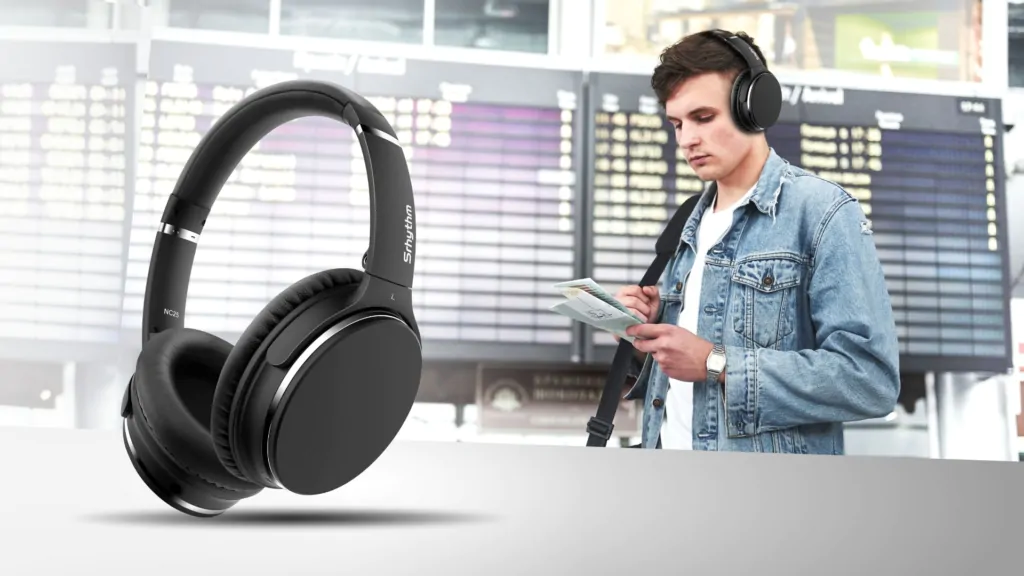
Over-ear headphones represent the gold standard for long-haul flight comfort and isolation performance. They use large ear cups that enclose the entire ear, creating a reliable physical seal against the skull. This design provides excellent passive isolation against mid- and high-frequency cabin noise. The large space inside the ear cups also allows manufacturers to use larger speaker drivers, which can produce the deep, powerful bass frequencies required to cancel out heavy engine rumble. The trade-off is their size and weight; they take up significant space in a carry-on bag and can trap heat around the ears during long flights.
In-Ear Canal True Wireless Instruments
In-ear monitors (IEMs) and true wireless earbuds bypass the bulk of traditional over-ear models by inserting directly into the ear canal. They rely on expanding foam or silicone ear tips to establish a passive acoustic seal. Modern premium earbuds offer active noise cancellation that rivals larger over-ear models, making them an attractive option for light packing and minimalist travel.
The following table details the engineering specifications and trade-offs of the leading active noise-canceling options available for air travel:
| Headset Architecture Class | Low-Frequency Cancellation Range | Maximum Continuous Battery Life | Core Structural Advantages | Critical Travel Limitations |
| Over-Ear Circumaural | Deepest overall low-frequency suppression (down to 40 Hz). | 30 to 45 Hours (ANC active). | Ultimate long-haul physical comfort; accommodates physical 3.5mm in-flight entertainment cables. | Large physical size can cause heat buildup around the ears over multi-hour flights. |
| In-Ear Canal (Earbuds) | Effective mid-to-low range isolation; convenient portability. | 6 to 10 Hours (Per single charge). | Ultra-compact design; lightweight; does not interfere with travel pillows or eyeglasses. | Short battery life; prone to falling out if you sleep during the flight; no direct wired backup. |
| Luxury Audiophile Over-Ear | Balanced attenuation combined with premium audio tuning. | 25 to 30 Hours (ANC active). | Exceptional sound reproduction; high-end build materials like aluminum and leather. | Heavyweight profile; expensive; premium leather requires careful maintenance. |
| Integrated Transmitter Cans | Broad noise attenuation with smart wireless connectivity. | 50 to 60 Hours (Class-leading power). | Built-in audio transmitters can stream directly from in-flight entertainment systems without cables. | Bulky carrying cases; complex touch control systems can be finicky. |
Decision Logic for Travel Hardware Selection
Choosing the right headset depends on your personal priorities regarding packing space, battery requirements, and sound preferences. If your primary goal is maximum silence on ultra-long-haul flights exceeding 12 hours, a dedicated over-ear model remains the most dependable choice due to its long battery life and comfortable, full-ear coverage. Conversely, if you prefer to travel light and want to avoid carrying a bulky headphone case, premium true wireless earbuds offer a compact alternative, provided you plan for a quick top-off charge during a layover.
Operational Testing Under Real-World Flight Conditions
To understand how premium noise-canceling hardware performs in practice, we look at several distinct scenarios that simulate common issues encountered during air travel.
Scenario 1: The Long-Haul Transpacific Flight (Fuselage Boundary Layer Noise)
A traveler is seated in an economy row directly behind the wing of a commercial jetliner on a 14-hour flight from Los Angeles to Tokyo. The seat is located near the fuselage wall, exposing the traveler to a continuous, high-amplitude drone from the aircraft’s engines and the air friction against the hull.
Scenario 2: The Turbo-Prop Commuter Route (Extreme Low-Frequency Modulation)
A regional passenger boards a short-haul turboprop aircraft for a brief commuter hop. Positioned close to the multi-bladed propeller assemblies, the cabin environment shifts from the uniform roar of high-altitude turbofans to a highly modulated, rhythmic beating sound wave concentrated between 60 Hz and 120 Hz.
Scenario 3: Minimalist Regional Travel (The Tight Carry-On Constraint)
A business traveler operates across regional networks with strict luggage limits, packing exclusively inside a single compact under-seat briefcase. Carrying a traditional, rigid hard case designed for full-sized over-ear headphones is not a practical option due to space constraints.
Cost Dynamics, Weight Budgets, and Resource Allocation
The retail price of a premium active noise-canceling headset reflects the complex engineering and specialized manufacturing required to produce these devices. The primary drivers of manufacturing costs include the development of proprietary digital signal processors, the integration of high-density microphone arrays, and the careful selection of lightweight, durable materials. Flagship travel headphones often require years of acoustic engineering and custom silicon design to ensure their processing chips can calculate and generate inverted anti-noise waves with near-zero latency.
The following table outlines standard retail price ranges, weight distributions, and performance capabilities across different product classes:
| Premium Equipment Tier Classification | Estimated Retail Price Range | Measured Weight Profile | Standard Micro-Microphone Count | Included In-Flight Connectivity Accessories |
| Flagship Commercial Travel Cans | $350 – $460 | 250g – 290g | 8 to 12 Mics (Hybrid Array) | 3.5mm Analog Audio Cable, Dual-Prong Airplane Adapter, USB-C Charging Cable. |
| Premium True Wireless Earbuds | $250 – $330 | 5g – 7g (Per Earbud) | 6 to 8 Mics (Internal/External) | Pocket Charging Case, Multiple Sizes of Silicone/Foam Ear Tips. |
| Luxury Audiophile Investment | $650 – $790 | 350g – 410g | 6 to 8 Mics (Acoustic Focus) | Braided 3.5mm Cable, USB-C High-Res DAC Cable, Premium Hard Shell Leather Case. |
| Mid-Tier Value Models | $120 – $180 | 220g – 260g | 4 to 6 Mics (Basic Feedforward) | 3.5mm Cable, Soft Fabric Travel Pouch. |
Beyond the upfront financial investment, travelers must also consider the physical weight and packing volume of their gear. For minimalist travelers using small carry-on bags, a rigid headphone case takes up a significant amount of packing space.
Tools, Strategies, and Support Systems
Maximizing the lifespan and performance of your noise-canceling hardware requires using the right accessories, strategies, and calibration tools.
-
Proprietary Smartphone Calibration Applications: Flagship travel headphones rely on companion mobile apps to unlock advanced features. These tools allow you to adjust noise cancellation profiles, customize touch controls, and run automated fit tests that check the acoustic seal of your ear cushions.
-
Wired Analog Backup Cables: Even in our wireless world, a physical 3.5mm or 2.5mm audio cable remains an essential travel accessory.
-
Dual-Prong In-Flight Audio Adapters: Many older international aircraft utilize specialized, two-pin audio jacks at each seat.
-
External Bluetooth Audio Transmitters: If you prefer using true wireless earbuds but want to watch movies on the plane’s seatback screen, a compact external transmitter is a valuable tool.
-
Aftermarket Memory Foam Ear Tips: For travelers who use in-ear earbuds, replacing standard silicone ear tips with high-quality aftermarket memory foam tips can significantly improve your experience.
-
Desiccant Dehumidifier Capsules: Storing a small silica gel pack or desiccant capsule inside your headphone case is an effective way to protect your gear from moisture damage.
-
Dedicated USB-C Power Banks: To ensure your headphones never run out of power during extended travel delays, always carry a compact, flight-certified external power bank.
Risk Landscape and Failure Modes
Operating advanced acoustic hardware inside a pressurized aircraft cabin introduces several unique technical risks and potential failure points that users should watch out for.
Acoustic Feedback Loops
If the physical alignment between the headphone’s internal feedback microphone and the speaker driver is altered, such as when an ear cup is pressed hard against a travel pillow,w a small amount of the anti-noise signal can leak back into the microphone. This leak can create a high-frequency feedback loop, resulting in a loud, piercing squeal or whistle inside the ear cup. To prevent this, users should avoid crushing the ear cups against seats or stiff pillows while the active cancellation engine is turned on.
Passive Seal Breakdown
The effectiveness of any over-ear noise-canceling system relies on creating an airtight physical seal around the user’s ears. If this seal is broken by even a fraction of a millimeter, outside noise can leak into the ear cup. Common travel accessories like thick-rimmed eyeglasses, baseball caps, or bulky face masks can disrupt this seal. This air gap allows high-frequency cabin noise to bypass the passive barrier, forcing the active digital processors to work harder to compensate. This extra strain can cause increased battery drain and introduce audible distortion into your audio.
Low-Frequency Digital Clipping
When an aircraft experiences sudden, severe turbulence or makes rapid altitude adjustments, the physical air volume inside the cabin can shift abruptly. These rapid changes can create sudden, high-amplitude pressure spikes that hit the headphone’s external microphones. If the incoming sound wave is too intense for the internal pre-amplifiers to process, the digital circuit can overload, or “clip.” This digital clipping manifests as an audible pop, click, or static hiss, temporarily interrupting your isolation during a bumpy flight.
Governance, Maintenance, and Long-Term Adaptation
For frequent flyers and business travelers who spend hundreds of hours in the air each year, managing personal audio equipment requires a disciplined approach to tracking component lifecycles. A high-end headset is a long-term investment that can deliver dependable performance for years, provided its key wear items are systematically inspected and replaced.
An effective equipment management routine involves tracking the wear of your headphone cushions and the capacity of the internal battery. Over 12 to 18 months of regular travel, the memory foam inside the ear cushions naturally compresses and loses its ability to mold perfectly to your skull. This physical wear creates small, invisible gaps that compromise the passive acoustic seal. By establishing a regular schedule to inspect your gear and replace worn ear pads with original factory components, you can maintain the headphone’s original isolation performance across its entire operational lifespan.
Pre-Flight Equipment Readiness Checklist
-
Passive Seal and Cushion Inspection
-
Examine the ear cushions for signs of cracking, peeling, or permanent memory foam compression.
-
Wipe down the cushions with a damp cloth to remove skin oils and ensure a clean, airtight seal against your skull.
-
-
Microphone Port Verification
-
Inspect the external and internal microphone grilles using a bright light.
-
Gently remove any dust, clothing lint, or debris from the ports using a dry, soft-bristled brush.
-
-
Battery Capacity Top-Off
-
Charge the headset to 100% capacity the night before departure.
-
For true wireless earbuds, confirm that the portable charging case is also fully charged to provide backup power during layovers.
-
Measurement, Tracking, and Evaluation
Evaluating the true capabilities of noise-canceling hardware requires focusing on clear, measurable acoustic metrics rather than subjective descriptions like “silent” or “immersive.”
Passive vs. Active Attenuation Curves
When reviewing technical testing data for headphones, pay close attention to the specific isolation curves measured across the human hearing spectrum (20 Hz to 20 kHz). A high-performance travel headphone should display a deep, steep attenuation curve in the low-frequency band between 40 Hz and 400 Hz. This specific window is where active noise cancellation does the heavy lifting, dropping ambient engine roar by up to 30 dB or more.
Total Harmonic Distortion Under Pressure
Another critical metric is Total Harmonic Distortion (THD), which measures how clean and accurate the audio remains while the noise-canceling system is working hard. Inside a loud airplane cabin, the headphone’s speaker drivers must produce both your music and the anti-noise cancellation waves simultaneously. An elite headset maintains a THD level below 1% even when operating in loud environments, ensuring your music stays clear, balanced, and free of distortion while the background engine noise is suppressed.
Real-World Documentation Frameworks
To understand how acoustic performance is tracked and evaluated by engineers, review these three examples of standard technical documentation profiles:
-
Stepped Frequency Latency Log: This log measures the microsecond delay between the external microphone detecting a sound wave and the speaker driver producing the opposing anti-noise wave. Keeping this processing latency as low as possible is critical for preventing digital artifacts and maintaining smooth, effective cancellation.
-
Physical Clamping Force Record: This profile tracks the physical pressure the headphone band applies to the user’s skull. The ideal clamping force falls between 4.5 and 5.5 Newtons, which balances the need for a tight, airtight acoustic seal with the comfort required for multi-hour flights.
Common Misconceptions and Oversimplifications
The consumer audio market is full of persistent myths and oversimplifications regarding how active noise cancellation works, which can lead travelers to buy the wrong equipment for their needs.
Myth 1: Noise-canceling headphones create a zone of total, absolute silence.
While flagship headphones can significantly reduce steady, low-frequency engine drone, they cannot eliminate sharp, unpredictable, high-frequency sounds like a crying infant or a loud public announcement. A top-tier headset turns a deafening engine roar into a quiet, manageable hum, but it cannot deliver absolute dead silence.
Myth 2: Higher decibel attenuation numbers always mean better performance.
Manufacturers often advertise a single, high decibel reduction number (such as “-40 dB”) to make their products stand out. However, this single figure is usually measured at one specific frequency under perfect laboratory conditions. It does not reflect how well the headphones handle the complex, real-world noise profile of an airplane cabin.
Myth 3: Active noise cancellation damages your hearing over time.
Some users experience a slight pressure sensation when they turn on active noise cancellation, leading them to worry that the technology is harming their ears. In reality, ANC is completely safe for your hearing. By canceling out loud background noise, these headphones actually allow you to listen to your music or movies at lower, safer volume levels. This reduces your risk of noise-induced hearing loss during long flights.
Myth 4: Turning on active cancellation improves audio quality for audiophiles.
While noise cancellation is essential for travel, the digital processing required to isolate your environment can alter your audio’s purity. To cancel outside noise, the headphone’s internal processor must mix an inverted anti-noise wave directly into your music track. This digital mixing can slightly alter the original recording’s tonal balance and reduce its dynamic range.
Contextual and Physiological Implications of Extended Isolation
Operating in a high-altitude commercial flight cabin places unique physical stresses on the human body, particularly the auditory and vestibular systems. The human ear relies on a steady balance of air pressure across the eardrum to process sounds comfortably. Inside a pressurized aircraft cabin, the ambient air pressure drops significantly compared to sea level, causing the air trapped inside your middle ear to expand. This pressure shift can push the eardrum outward, creating a temporary muffled sensation or mild discomfort during takeoff and climb.
Strategic Synthesis
Finding the right isolation tools for air travel requires a clear, analytical approach. Rather than relying on flashy marketing campaigns or generic consumer reviews, travelers should evaluate headphones based on objective criteria like low-frequency active attenuation curves, passive seal integrity, and physical comfort over long hours. The ideal headphone for your travels is one whose engineering choices align with the specific demands of your flight routine. By understanding how passive barriers and active digital signal processing work together, you can select a tool that protects your hearing and provides a quiet, comfortable sanctuary in the skies.